No products in the cart.
Return To ShopNo products in the cart.
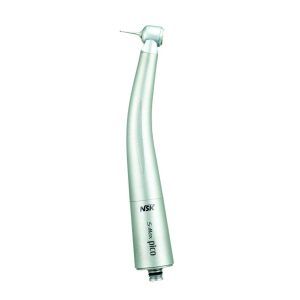
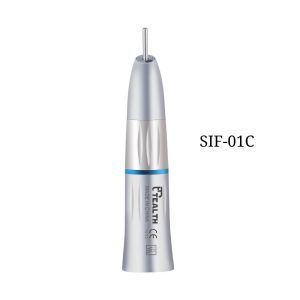
Return To ShopDental Handpieces are essential rotary instruments used across restorative, endodontic, polishing, finishing, and surgical procedures in daily dental practice. This category includes high-speed and low-speed handpieces, contra angles, straight handpieces, and specialty options designed to support precision, control, and reliable clinical performance.
Key Factors to Consider Before Buying
When choosing a dental handpiece, it is important to match the handpiece type to the intended procedure and clinical workflow. Buyers should evaluate whether they need a high-speed airotor for cutting, a low-speed setup for finishing and polishing, or a contra angle or straight handpiece for more specific operative, endodontic, surgical, or lab applications. Head size, chuck type, spray configuration, optic or non-optic design, connection compatibility, and gear ratio are all important buying factors. It is also worth considering ergonomics, noise level, maintenance requirements, and long-term service support. A well-selected handpiece should improve procedural efficiency while offering dependable handling in routine clinical use.
Ideal For
Dental handpieces are ideal for general dental clinics, specialty practices, endodontic setups, implant and surgical centers, hospitals, dental colleges, and multi-chair operatories. They are especially suitable for clinicians looking to maintain procedural precision, smoother rotary performance, and a well-matched handpiece range for routine as well as specialized dental procedures.
Frequently Asked Questions
What products are included in the Dental Handpieces category?
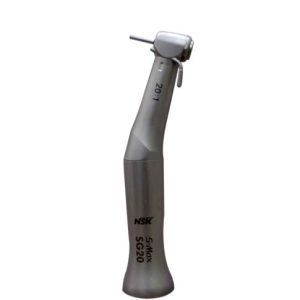
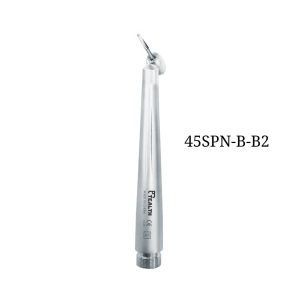
This category typically includes high-speed airotors, low-speed handpieces, contra angle handpieces, straight handpieces, surgical handpieces, endodontic handpiece options, and selected maintenance products or accessories.
How do I choose the right dental handpiece?
The right choice depends on the procedure being performed, preferred speed range, head design, connection type, spray system, and whether you need a general-use handpiece or a more specialized option for endodontic, surgical, or implant procedures.
What is the difference between high-speed and low-speed handpieces?
High-speed handpieces are commonly used for cutting and tooth preparation, while low-speed handpieces are generally preferred for polishing, finishing, caries removal, and procedures that require more controlled rotary movement.
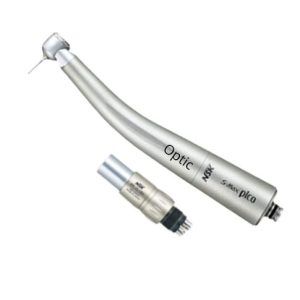
Are optic and non-optic handpieces both available?
Yes, depending on the model range, dentists can choose between optic and non-optic handpieces based on visibility preference, operatory setup, and budget considerations.
Why is maintenance important for dental handpieces?
Regular cleaning, lubrication, and correct sterilization are important for preserving rotary performance, reducing wear, and helping ensure smoother long-term operation in daily clinical use.
Free Shipping In India
Safe & Secure Payment
Contact 24 Hours Day
Super Sale Upto 30% off
Zero-Cost EMI – Shop Now, Pay Later!
on Google
The Top Quality Store badge is awarded to merchants that provide a great shopping experience.
Learn more about Top Quality Store