No products in the cart.
Return To ShopNo products in the cart.
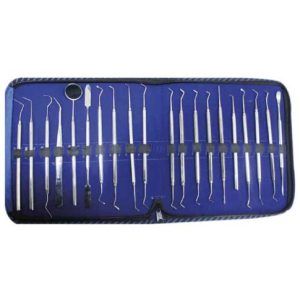
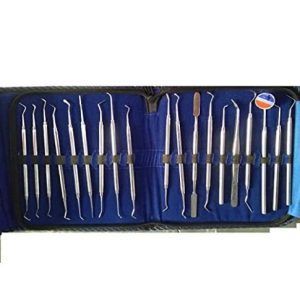
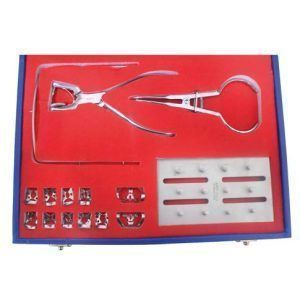
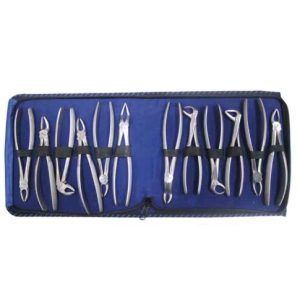
Return To ShopDental Instruments are essential clinical tools used across diagnosis, treatment, restoration, surgical procedures, and routine chairside care. This category includes a wide range of precision-crafted instruments designed to support clinical accuracy, operator control, and efficient workflow in general dental practice as well as specialty settings.
Key Factors to Consider Before Buying
When selecting dental instruments, it is important to evaluate the intended procedure, instrument design, and long-term clinical usability. Buyers should consider material quality, corrosion resistance, working-end precision, handle grip, balance, and sterilization compatibility. Instruments used repeatedly in daily practice should offer consistent tactile control and reliable performance without compromising operator comfort. It is also useful to assess whether the instrument is suited for general procedures, specialty applications, or institutional setups. For clinics purchasing across multiple categories, maintaining uniform quality and finish can improve tray organization, procedural consistency, and overall chairside efficiency.
Ideal For
Dental instruments are ideal for general dental clinics, specialty practices, hospitals, dental colleges, and institutional setups that require dependable manual tools for routine and advanced procedures. They are particularly suitable for clinicians looking to maintain procedural precision, organized instrument workflow, and consistent quality across examination, restorative, periodontal, surgical, and maintenance applications.
Frequently Asked Questions
What products are included in the dental instruments category?
This category typically includes hand instruments used for examination, restorative procedures, periodontal care, oral surgery, endodontics, finishing, and general chairside clinical work.
How do I choose the right dental instruments for my clinic?
The right selection depends on the procedures performed in your practice, the required instrument design, material quality, handling comfort, and whether you need instruments for routine use or specialty-focused applications.
Why is instrument quality important in dentistry?
Instrument quality affects precision, tactile feedback, durability, and overall handling. Well-made instruments support better clinical control and can contribute to more efficient and consistent treatment delivery.
Are these instruments suitable for repeated sterilization?
Yes, professional dental instruments are designed for routine clinical use and should be selected based on durable construction, corrosion resistance, and compatibility with standard sterilization protocols.
Who can benefit from a broad dental instruments range?
General dentists, specialists, hospitals, academic institutions, and multi-chair practices benefit from a complete instrument range to support different procedures while maintaining consistency in day-to-day clinical workflow.
Free Shipping In India
Safe & Secure Payment
Contact 24 Hours Day
Super Sale Upto 30% off
Zero-Cost EMI – Shop Now, Pay Later!
on Google
The Top Quality Store badge is awarded to merchants that provide a great shopping experience.
Learn more about Top Quality Store