No products in the cart.
Return To ShopNo products in the cart.
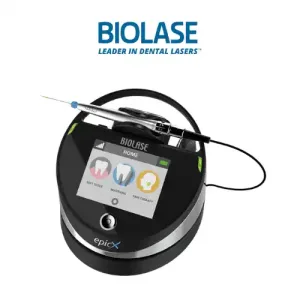
Return To ShopDental Lasers are advanced clinical devices used for precise soft tissue and selected hard tissue dental procedures with greater control and efficiency. This category includes laser systems designed to support minimally invasive treatment, improved patient comfort, and streamlined workflows across modern dental practices and specialty setups.
Key Factors to Consider Before Buying
When choosing a dental laser, it is important to evaluate the type of procedures you plan to perform and whether the system is intended for soft tissue applications, hard tissue use, or both. Buyers should consider wavelength compatibility, power settings, delivery system design, ease of operation, and how well the unit integrates into routine clinical workflow. Portability, preset programs, training requirements, and maintenance support are also important, especially for practices adopting laser dentistry for the first time. A well-selected dental laser should match your treatment scope, provide consistent clinical performance, and support efficient chairside use without adding unnecessary complexity.
Ideal For
Dental lasers are ideal for general dental clinics, periodontic practices, endodontic setups, oral surgery centers, and multi-specialty clinics looking to expand treatment capability with minimally invasive technology. They are especially suitable for clinicians who prioritize precision, improved soft tissue management, and a more advanced treatment experience for both routine and specialized procedures.
Frequently Asked Questions
What are dental lasers used for?
Dental lasers are used for a range of clinical applications, including soft tissue procedures, gingival contouring, periodontal therapy, disinfection support, and in some cases selected hard tissue treatments depending on the laser system.
How do I choose the right dental laser?
The right laser depends on your intended procedures, whether you need soft tissue or hard tissue capability, preferred operating controls, portability requirements, and the level of clinical versatility you expect from the system.
Are dental lasers suitable for general practice?
Yes, many dental lasers are well-suited for general practice, especially for clinicians who want to add soft tissue management, improve procedural precision, and introduce minimally invasive treatment options into routine care.
Why are dental lasers considered an advanced treatment technology?
Dental lasers offer a more controlled approach to specific dental procedures, helping improve precision, support tissue management, and enhance treatment efficiency in modern clinical settings.
Who can benefit most from investing in a dental laser?
General dentists, periodontists, endodontists, oral surgeons, and multi-specialty practices can benefit from dental lasers when they want to broaden treatment offerings and adopt more technology-driven clinical workflows.
Free Shipping In India
Safe & Secure Payment
Contact 24 Hours Day
Super Sale Upto 30% off
Zero-Cost EMI – Shop Now, Pay Later!
on Google
The Top Quality Store badge is awarded to merchants that provide a great shopping experience.
Learn more about Top Quality Store